
Securing the Crowd: How Expert Event Security Can Mitigate Risks for Large Gatherings
 The Growing Importance of Event Security
In recent years, the world has become increasingly familiar with large gatherings, whether they be concerts, sporting events, corporate functions, or community festivals. This shift towards larger assemblies has necessitated a reevaluation of how event organizers approach security. With the burgeoning scale of these events, security must evolve from a mere formality to a cornerstone of the gathering itself. Ensuring the safety and security of attendees has become paramount, as the stakes grow higher amidst concerns of threats ranging from minor disturbances to major incidents. Rhode Island event security is no longer just about managing entrances; it involves a comprehensive framework that guarantees the safety of everyone involved.
The pressing necessity for effective Rhode Island event security, as well as across the globe, stems from the unfortunate rise in incidents that have marred large gatherings. High-profile events, such as the 2017 Manchester Arena bombing, highlighted the catastrophic repercussions of inadequately planned security measures. Similarly, the 2021 Astroworld Festival demonstrated how a lack of thorough crowd management led to dire consequences. These incidents serve as stark reminders of the urgency with which security must be approached and planned for, compelling organizers to take proactive steps to protect their events and audiences. The reality is that in the contemporary landscape, not addressing security issues could lead to unimaginable repercussions, both for attendees and for the reputation of the organizing body.
Understanding the wide range of potential vulnerabilities at an event is the first step for organizers looking to develop comprehensive public safety strategies. A risk assessment must be conducted, identifying the unique characteristics of each gathering, including venue specifics, expected crowd sizes, and possible threats. It is at this juncture that firms like The Hemingway Group LLC shine, expertly crafting tailored security strategies that address the unique aspects of each event without adopting a one-size-fits-all approach. By combining this level of diligence with an in-depth understanding of crowd dynamics and security protocols, event organizers can create a safe environment conducive to enjoyment and engagement.
The Role of Tailored Security Strategies
Implementing security that is tailored to the specifics of an event is a game-changing approach that significantly enhances safety measures. That is where companies like The Hemingway Group LLC excel, offering the expertise and resources necessary to create bespoke security plans. This includes an in-depth analysis of venue layout, anticipated crowd dynamics, potential threats, and a myriad of other considerations. For example, an open-air concert presents different risks than a corporate gala held within a hotel ballroom. Recognizing these differences allows for the deployment of appropriate security personnel, crowd management tools, and emergency response strategies that best suit the environment.
Moreover, tailored security strategies also involve effective crowd management techniques, which can drastically reduce risks associated with high attendee numbers. Proper training of security personnel can instill confidence in both staff and attendees. They should be equipped not only to manage crowds effectively but also to address other issues that may arise, ranging from lost individuals to the detection of suspicious behavior. Integrating communication systems that enable swift decision-making among security teams is critical in ensuring that any disturbances are quickly contained, preventing escalation into larger issues that could compromise public safety and lead to chaos.
In addition, emergency response planning stands as a cornerstone of any event’s security framework. By preparing for various emergency scenarios—from medical emergencies to evacuation needs—event organizers can ensure a swift and effective response. This includes coordination with local law enforcement and emergency medical services, conducting drills, and preparing communication protocols that can be activated at a moment's notice. Understanding that emergencies can arise unexpectedly fuels the necessity of thorough preparation. The reassurance that arises from having a robust emergency response plan in place not only improves safety but also enhances the overall experience for attendees, allowing them to focus on enjoying the event rather than worrying about their safety.
The Critical Importance of Crowd Management
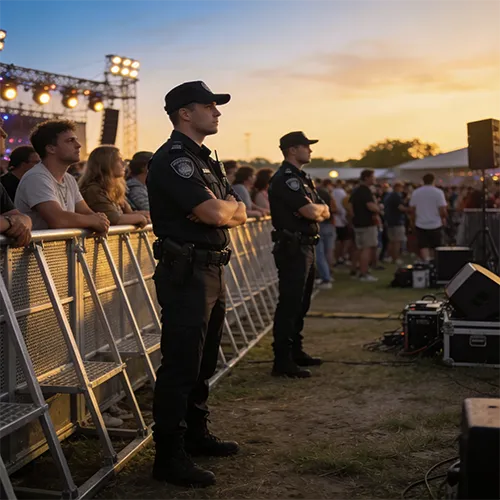
Crowd management is an essential aspect of event security that cannot be overlooked. With large gatherings, the human element comes into play, and the behavior of groups can be unpredictable. Events can be volatile spaces, requiring carefully laid plans to ensure Rhode Island event security personnel can manage the flow of movement, mitigate risks of overcrowding, and maintain order. The presence of trained security personnel equipped with crowd management techniques offers a semblance of security that ensures attendees can enjoy their experience without fear of disturbances or potential threats.
An effective crowd management strategy includes various tactics such as clear signage, designated pathways, barriers, and trained personnel stationed at critical points. Clear signage guides attendees, helping them navigate spaces effectively and efficiently while also establishing boundaries that delineate public areas from restricted ones. Effective use of physical barriers can guide movement, allowing security staff to monitor and respond to crowd behavior proactively, minimizing the risk of crush incidents and other dangerous situations.
The need for crowd management emphasizes a psychological dimension too. When attendees perceive that a structured plan is in place and that trained personnel are present, their sense of security increases. This can have a ripple effect, as a calm and orderly crowd is less likely to engage in disruptive or dangerous behavior than one that feels chaotic or neglected. By cultivating this organized environment, event organizers can promote a positive atmosphere that encourages enjoyment and engagement rather than fear or hesitation.
Preparedness Through Emergency Response Planning
While careful planning can significantly mitigate risks, the unpredictable nature of events means that emergencies may still arise. As such, robust emergency response planning is essential. This includes identifying potential risks specific to the event and developing a response plan that encompasses all scenarios. Collaborating with local law enforcement, emergency services, and even local hospitals can create a seamless network that ensures rapid response and care. The Hemingway Group believes that integrating emergency response services into the planning phase enhances readiness and equips personnel with the knowledge they need to act decisively when necessary.
Emergency response drills and training sessions can be invaluable in preparing security personnel and event staff. Conducting simulation exercises that mimic possible emergency scenarios—such as fire incidents, aggressor interventions, or medical emergencies—can provide hands-on learning experiences that sharpen skills and improve team cohesion. These drills cultivate an environment of preparedness where everyone involved knows their role, can execute their tasks with confidence, and reduces the likelihood of panic in the event of an actual emergency.
The ability to communicate effectively during a crisis cannot be overstated. Implementing clear channels of communication ensures that information flows smoothly among coordination teams on-site and beyond. Established protocols can lead to quicker decision-making, which is often critical in emergency situations. In high-pressure scenarios, maintaining clear lines of communication can determine the success of an organization's response, ultimately protecting lives and minimizing damage or disruption.
The Need for Awareness and Education
Awareness and education are foundational components of effective Rhode Island event security strategy. Educating both staff and attendees on safety protocols and expectations can significantly improve the likelihood of a safe and enjoyable event. By engaging attendees with informative briefings or utilizing digital platforms to disseminate safety information, event organizers can empower individuals to act responsibly and be aware of their surroundings. This collective vigilance can not only help in identifying potential threats but can also foster a culture of safety that prevails throughout the event.
For instance, pre-event communications should highlight key safety measures, including emergency exits, contact points for security staff, and information on how to report suspicious behavior. Establishing these protocols ahead of time minimizes confusion during the event and equips attendees with knowledge that can prove invaluable if incidents arise. By encouraging everyone to remain alert and informed, event organizers can create an environment where all parties share responsibility for their safety and the safety of others.
Additionally, security personnel should undergo comprehensive training not only in security measures but also in customer service and conflict de-escalation. When the security team embodies an approachable demeanor and exhibits strong communication skills, it builds trust with attendees. This not only positively influences the overall atmosphere of an event but also encourages individuals to feel comfortable approaching security with their concerns, leading to a proactive approach to safety rather than a reactive one.
Ongoing Development and Training of Security Personnel
Investing in the ongoing development and training of security personnel is a crucial facet of a successful security strategy. Given the evolving nature of threats and the complexity of public gatherings, security staff must be equipped with the latest knowledge and skills. Training programs should cover a wide array of topics, from advanced crowd management techniques to conflict resolution and emergency response. Organizations like The Hemingway Group emphasize the necessity of certification training that aligns with industry standards, ensuring that security personnel can respond to a diverse array of scenarios effectively.
Beyond initial training, it is beneficial for security staff to participate in regular refresher courses and workshops. These not only reinforce essential skills but also expose personnel to new trends and practices within the security industry. By ensuring that teams remain updated on the latest methodologies in crowd management, risk mitigation, and emergency response, organizations can maintain a high level of preparedness that translates into enhanced safety during events.
The quality of security personnel directly affects the overall atmosphere of an event. Visitors who encounter knowledgeable and confident security staff are more likely to feel safe and assured. This positive perception can bolster the event's reputation, fostering audience loyalty and encouraging attendees to return for future events. In essence, investing in personnel development is not merely an operational expense; it's a commitment to cultivating a safe, engaging, and welcoming environment.
Concluding Thoughts on Event Security
Reflecting on the lessons learned from past incidents underscores the importance of prioritizing event security in the planning stages. The nuances of effective security measures—ranging from coordinated emergency response plans to precise crowd management and continuous training of security personnel—play a crucial role in safeguarding attendees. Organizers must recognize that security is a crucial investment rather than an ancillary detail that can be easily overlooked. It is the bedrock upon which the success of any gathering is built.
The realities faced in today’s event landscape are complex and necessitate proactive strategies that engage all stakeholders in the safety process. By prioritizing tailored security strategies, engaging in comprehensive risk assessments, and fostering a culture of safety awareness, event organizers can not only protect their attendees but also enhance the overall experience. With the right support and expertise, such as that offered by The Hemingway Group LLC, organizations can navigate security challenges effectively, allowing everyone involved to focus on what truly matters: enjoying the occasion.
Ultimately, securing crowds at large gatherings should not be an afterthought but rather a central consideration in event planning. With the right tools and partners in place, creating a safe and vibrant atmosphere can be a reality. The Hemingway Group LLC is ready to help organizations tackle the complexities of Rhode Island event security, ensuring that gatherings are not just memorable experiences, but safe ones too.
At The Hemingway Group LLC, we are dedicated to providing top-tier security solutions, including event security, risk assessments, and workplace violence prevention. If you need more information or professional security services, please reach out to us. Call us at 781-222-5126 or email us at info@thehemingwaygroupllc.com. Your safety and security are our priority.