
Event Security Essentials: How to Mitigate Risks During Large Public Gatherings
 Introduction
In today’s world, organizing large public gatherings comes with an array of challenges, particularly concerning security. The need for meticulous planning and execution cannot be overstated as the stakes are high. From engaging music festivals to insightful industry conferences, the safety of attendees has ascended to the forefront of considerations. As we navigate a reality where unexpected incidents can pose a threat to public safety, effective measures have become essential.
Establishing a framework for event security encompasses more than just hiring personnel. It requires a comprehensive approach that includes crowd management, risk mitigation, and emergency preparedness. Among other essential solutions, organizations like The Hemingway Group LLC specialize in offering tailored strategies to meet the unique needs of various events. This article explores the crucial components of event security, emphasizing how effective preparation and strategy can create safe and enjoyable environments for all participants.
Ultimately, understanding the intricacies of event safety and implementing proactive measures can significantly mitigate risks and enhance the overall experience of attendees. Additionally, as protocols continue to evolve in response to global events, companies must remain agile in their methodologies. Let’s delve deeper into understanding potential risks associated with large public gatherings and how to effectively combat them.
Understanding Potential Risks
Large public events inherently carry risks that can wreak havoc if left unaddressed. Some of these risks include surges, unauthorized access, and situations that could escalate from various factors—unexpected behavioral changes among attendees, technical malfunctions, or severe weather conditions. Each of these scenarios can potentially jeopardize the safety of the event, threatening the well-being of participants and the reputation of organizers.
For instance, a sudden storm could lead to mass panic and disorder among an unsuspecting crowd. Similarly, if a festival is undersized for the expected attendance, overcrowding may result in severe injuries or worse. Understanding core risks helps organizers to be proactive rather than reactive, enabling them to devise tailored strategies that promote not just safety but also a positive experience. The first step is fostering an environment where risks are openly discussed and embraced as part of the planning process.
By thoroughly identifying potential threats, organizers can move towards developing more effective strategies to counteract them. This might involve investing in advanced surveillance technologies, employing seasoned personnel, or implementing strict entry protocols. All of these measures contribute to a robust framework for event security, ensuring that attendees can enjoy the occasion without fear or concern.
The Importance of Crowd Management Strategies
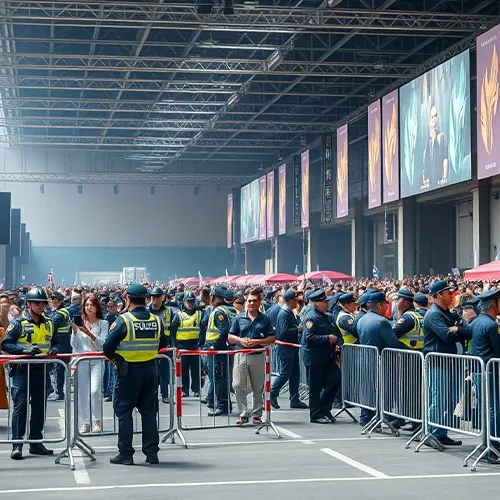
Crowd management is a vital element of planning that directly impacts the safety of all participants. An unmanaged crowd can quickly evolve into a chaotic situation, making effective crowd management strategies essential. Techniques such as designated pathways, funnels, barriers, and trained personnel positioned at critical junctions can greatly enhance both safety and enjoyment during an event. As attendees navigate through the venue, these measures can streamline movement, reduce congestion, and decrease the likelihood of dangerous situations arising.
Moreover, employing technology can also elevate crowd management efforts. Tools like mobile apps can provide attendees with real-time information regarding entry points, event schedules, and procedures. This empowers participants by furthering their understanding of the event layout and available resources, thereby minimizing panic during unforeseen issues. Additionally, using trained personnel who are equipped to handle crowd dynamics can drastically reduce the chances of conflicts and injuries.
Integration of crowd management with response preparedness is also crucial. Should an unexpected incident occur, well-thought-out crowd management allows for the effective evacuation or redirection of attendees. The coordination between security and crowd management creates a symbiotic relationship where one reinforces the other. All attendees, regardless of the large scale of the operation, deserve to feel valued and safe throughout the event.
Pre-Event Risk Assessments
Before any large public gathering, conducting thorough risk assessments is crucial. These assessments serve as a foundational step that enables planners to identify vulnerabilities systematically. By evaluating the venue, site logistics, potential environmental hazards, and crowd dynamics, organizers can develop tailored plans that cater to specific concerns. Engaging with experienced consultants, like those from The Hemingway Group LLC, makes it possible to highlight potential issues and proactively address them.
Risk assessments should not be viewed as a mere checkbox in the planning process. Instead, they should be ongoing and dynamic, adapting to the evolving nature of the event and its attendees. For example, if local unrest affects community engagement, adjustments must be made promptly to protocols to alleviate any potential threats. The insight gained from these assessments helps create a comprehensive plan that addresses unique vulnerabilities and ensures the necessary systems are in place.
Finally, after completing risk assessments, immediate debriefs involving all stakeholders—organizers, security, emergency services, and even local authorities—allow for collaborative discussions about concerns, ensuring everyone is on the same page. Through effective risk assessments and debriefs, organizers can equip themselves with the insight needed to confidently mitigate dangers inherent to public gatherings.
Case Studies of High-Profile Events
Learning from past events serves as an invaluable tool in improving security measures. Numerous high-profile events—such as major music festivals, sporting events, and political gatherings—have faced significant challenges that underscore both the successes and shortcomings of preparedness. Notably, the mass gathering at a music festival that experienced a devastating crowd surge highlights essential lessons learned regarding event security.
During that incident, insufficient crowd management techniques were identified as a significant factor in the escalation of dangers. The tragedy drew attention to the importance of implementing proven crowd management tactics, such as using designated entry points, limiting capacity, and closely monitoring crowd control through trained personnel. By analyzing such situations, teams can adapt their practices, emphasizing the importance of vigilance and preparedness during large events.
Researching these unfortunate incidents can drive progress within the event industry. By adopting an analytical approach, teams can critically assess what worked well and what did not in previous events. This knowledge can help in refining techniques and strategies, ultimately leading to the establishment of higher standards in event security and risk mitigation protocols. Learning from the past allows for a more proactive approach to future events, cultivating a culture of improved security for all involved.
The Role of Certified Training for Security Personnel
A critical aspect of ensuring safety is having well-trained personnel on-site. The presence of certified professionals not only enhances security but also instills a sense of trust among attendees. Certification training programs equip staff with the necessary skills to manage crowds effectively and respond adeptly to emergencies. This preparation does not merely encompass general skills; it delves into specialized areas such as conflict resolution, emergency evacuation protocols, and compliance with safety regulations.
Investing in certified training programs exemplifies an organization’s commitment to safety and security. Well-trained staff are more adept at managing difficult situations calmly and efficiently, significantly reducing the chances of crises escalating into chaos. Additionally, trained personnel can mediate disputes and assist attendees in distress, reaffirming the overall care and attention the organizers have towards their participants’ safety.
Beyond just event security, certified training programs encourage collaboration among teams, local authorities, and emergency services. By aligning training protocols with local response systems, security teams can coordinate effectively during incidents, promoting swift action that further enhances safety. Prioritizing certified training isn’t merely an option—it’s a necessary investment to create a competent and confident security team prepared for various challenges that may arise.
Emphasizing Communication and Collaboration
Effective communication is key to successful event security. This involves not only clear directives among personnel but also collaboration with local authorities, emergency services, and healthcare providers. Establishing strong relationships with these stakeholders facilitates a prompt response during incidents, ultimately safeguarding the well-being of attendees. Comprehensive communication strategies help avoid misunderstandings and ensure that everyone is aware of their roles and responsibilities in the event of a crisis.
Creating an effective communication plan should start long before the event itself. Clear communication channels should be established and agreed upon by all parties involved. This preparedness ensures that when a crisis occurs, the response will be efficient and leave little room for confusion. Regular briefings and drills can also help familiarize all personnel with emergency procedures, fostering a collective understanding of protocols.
Moreover, the integration of technology can significantly enhance communication efforts during events. Utilizing real-time messaging systems, walkie-talkies, and mobile applications can streamline communication pathways, allowing for faster decision-making and coordination in the face of adversity. This synergy among all stakeholders is instrumental in enhancing the security landscape at public gatherings and establishing a culture of safety that everyone can appreciate.
Conclusion
In the fast-paced world of large public gatherings, security cannot be an afterthought. By understanding potential risks, implementing effective crowd management strategies, conducting thorough risk assessments, investing in certified training, and fostering effective communication, organizations can dramatically enhance attendee safety. As demonstrated, the intricate aspects of event security necessitate diligent preparation and execution; these measures not only ensure a secure environment but also create memorable experiences that resonate with participants long after the event concludes.
The landscape of event security is evolving—becoming increasingly focused on proactive risk mitigation and emergency preparedness. The Hemingway Group LLC stands ready to assist in these crucial areas, combining expertise and a commitment to safety to ensure that events are memorable for all the right reasons. With the right security measures in place, event organizers can concentrate on creating unforgettable experiences while knowing that the safety and security of their attendees are in capable hands.
Get in touch with The Hemingway Group LLC today to discuss how we can help you implement top-tier Rhode Island event security, tailored crowd management strategies, and effective risk mitigation plans to ensure a safe and successful gathering.
At The Hemingway Group LLC, we are dedicated to providing top-tier security solutions, including event security, risk assessments, and workplace violence prevention. If you need more information or professional security services, please reach out to us. Call us at 781-222-5126 or email us at info@thehemingwaygroupllc.com. Your safety and security are our priority.