
Guardians of Health: Strategies to Protect Healthcare Workers in Crisis
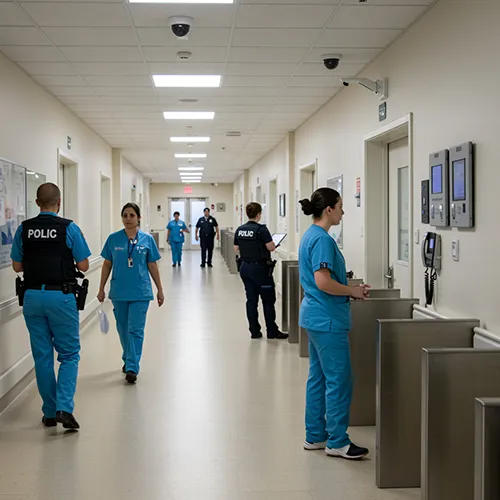 Understanding Workplace Violence in Healthcare
Workplace violence is a pervasive issue in many sectors, but healthcare has been thrust into the spotlight due to alarming statistics and distressing incidents. Studies indicate that healthcare workers are at a significantly higher risk of experiencing workplace violence compared to employees in other occupations. According to the Occupational Safety and Health Administration (OSHA), healthcare workers are four times more likely to be victims of violence. The emotional and physiological toll that such violence takes on healthcare providers underscores the urgency of workplace violence prevention measures.
Healthcare environments can be rife with stress, and high-pressure situations often lead to aggressive behaviors from patients and visitors. The unique vulnerability of healthcare workers is amplified by the nature of their job – caring for those in crisis, often while dealing with emotional distress. Incidents of violence can include everything from verbal abuse to physical assaults, which can create a culture of fear that impacts not only the staff but also patient care. Thus, addressing workplace violence prevention becomes paramount not just for the safety of healthcare providers but for the overall well-being of patients as well.
As healthcare administrators recognize the importance of workplace violence prevention, there is a growing need for strategies that can be effectively implemented to enhance safety. This includes conducting thorough assessments of security needs, instituting strong training programs, and fostering an organizational culture where safety is a shared responsibility. The call to action is to prioritize the safety and mental well-being of healthcare workers, ensuring they have the tools and support to thrive in their demanding roles.
Conducting Comprehensive Security Assessments
One of the first steps in implementing robust workplace violence prevention strategies is conducting a comprehensive security assessment. This process allows healthcare facilities to identify vulnerabilities that could potentially lead to violent incidents. By collaborating with experienced firms like The Hemingway Group LLC, healthcare organizations can perform tailored risk assessments that consider their unique operational environment and specific challenges.
These assessments involve a thorough examination of various factors, including the physical layout of the facility, staff-to-patient ratios, and historical data on previous incidents of violence. Understanding where weaknesses exist allows healthcare administrators to address potential security gaps proactively. For example, poorly lit areas, lack of surveillance cameras, and insufficient emergency response protocols can all contribute to unsafe environments. Identifying these vulnerabilities is just the beginning; organizations must then prioritize changes that mitigate these risks.
A detailed risk assessment can lead to immediate actionable solutions such as improving access control measures, enhancing training for staff on recognizing early warning signs of aggression, and investing in hospital security solutions. Moreover, integrating hospital security solutions that align with these assessments can create a fortified response system, ensuring that healthcare workers are equipped to manage conflicts effectively while safeguarding the patient care environment.
Empowering Staff Through Training Programs
Training is an essential aspect of workplace violence prevention that cannot be overlooked. Knowledge is power, and healthcare workers equipped with the right skills can navigate potentially violent scenarios confidently. The Hemingway Group LLC offers tailored training programs focused on equipping healthcare staff with practical tools in conflict resolution, de-escalation techniques, and emergency response planning.
These training sessions foster a sense of workplace safety and provide employees with strategies to defuse tense situations before they escalate into violence. For instance, training in verbal de-escalation techniques can teach staff how to communicate effectively with distressed or agitated individuals, focusing on empathy and understanding rather than confrontation. Additionally, regular training refreshers can help reinforce these skills, making them second nature in the heat of the moment.
Moreover, fostering a culture of safety through training can lead to higher employee morale and lower turnover rates. When healthcare workers feel supported and prepared for challenging situations, they are more likely to remain engaged and committed to their roles. Providing ongoing educational opportunities not only strengthens the individual staff members but also contributes to a more secure environment for everyone at the facility, including patients and visitors.
Creating a Culture of Safety
A committed approach to workplace violence prevention must encompass a shift in organizational culture. Healthcare workers should feel that their safety is a shared priority and, as such, it’s crucial for employers to cultivate an environment where safety concerns can be voiced without hesitation. Reporting mechanisms that allow for anonymous feedback can empower staff to share their concerns about potential workplace violence risk factors.
Establishing an organizational culture focused on safety involves integrating safety policies into daily routines and encouraging workers to engage with these policies actively. Regular communication about safety protocols, accessibility of support resources, and incentivizing proactive reporting of concerns can nurture an environment of trust. When employees feel safe and supported, they are more likely to continue providing the high level of care that patients expect and deserve.
The creation of safety committees can further enhance this culture by engaging various levels of staff in regular discussions about safety initiatives and concerns. By involving staff in decision-making processes related to safety measures, healthcare institutions signal that their input is valued and their safety is paramount. Overall, an organizational culture emphasizing safety not only protects employees but contributes to a more harmonious healthcare environment, ultimately benefiting patient care.
Developing Emergency Response Plans
Preparing for potential crises involves being proactive. One of the most effective ways to enhance healthcare worker safety is to establish comprehensive emergency response plans. Collaborating with organizations like The Hemingway Group LLC can aid in creating tailored response strategies that are well-practiced and integrated into healthcare facility operations.
Regularly simulating real-life emergency scenarios, such as threatening behavior from patients or intruders, can reinforce the appropriate responses among staff members. These drills allow healthcare workers to practice coordination and communication, ensuring that everyone knows their roles and responsibilities in a crisis situation. Confidence gained through preparedness can significantly reduce the panic that often accompanies emergencies, allowing for quicker and more efficient responses.
In addition, an effective emergency response planning encompasses more than just protocols for immediate threats. It should include measures for psychological support and follow-up for staff who may have experienced or witnessed violence in the workplace. Healthcare environments need to recognize the long-term emotional ramifications of such experiences and provide necessary resources to help staff cope and recover.
The Role of Legislative Measures
Legislation plays a crucial role in establishing standards and practices for safety in the healthcare sector. The Hemingway Group LLC actively engages in advocating for legislative initiatives such as the Workplace Violence Prevention for Health Care and Social Service Workers Act, which aims to create safer working conditions for healthcare workers. Awareness of these laws not only informs healthcare institutions about their responsibilities but also ensures compliance with safety regulations that protect employees.
The cooperation between legislators, healthcare organizations, and advocacy groups is essential for the development and implementation of effective measures that enhance healthcare worker safety. By lobbying for stronger laws and policies, organizations can influence systemic changes within the industry that address workplace violence head-on. These legislative frameworks also demand accountability and transparency, compelling organizations to prioritize safety in tangible terms.
Moreover, being informed about current legislation empowers healthcare institutions to align with best practices and implement necessary policy changes. Continuous engagement with legislative processes ensures that the ever-evolving landscape of workplace violence prevention is met with proactive solutions that protect frontline workers effectively.
Implementing Best Practices for Safety
Implementing best practices is critical in ensuring workplace violence prevention strategies are effective in enhancing healthcare worker safety. This involves conducting regular reviews of internal safety policies, ensuring staff are adequately trained, and integrating mental health support into employee benefits. A committed approach to safety not only aids in preventing crises but also promotes a supportive community for healthcare workers.
One practical step is ensuring that staffing levels are adequate to meet both patient care demands and safety needs. Overworked staff may be more prone to burnout, which can lead to increased tension and conflict in the workplace. Prioritizing sufficient staffing levels not only boosts morale but allows staff to allocate time and attention to de-escalating potential conflicts effectively.
Moreover, by addressing mental health needs within the workplace, organizations acknowledge the human element of care. Providing access to counseling services and peer support initiatives can help staff process their experiences, especially following violent incidents. These efforts contribute to a culture of well-being where healthcare workers feel valued, supported, and safe.
Collaboration for a Safer Future
Ultimately, the task of safeguarding healthcare workers from violence cannot be accomplished in isolation. Collaboration between healthcare organizations, security firms, policy makers, and the employees themselves is essential in establishing a comprehensive approach to safety. By leveraging the expertise of entities like The Hemingway Group LLC, healthcare settings can create fortified environments where both staff and patients can thrive.
Shared responsibility in the fight against workplace violence signals to healthcare workers that their safety is taken seriously by management. When healthcare professionals collaborate actively with security experts to devise and implement effective strategies, they can cultivate a workplace dynamic characterized by trust and support. This partnership is crucial for developing safety protocols that are adaptable to the changing needs of the healthcare environment.
Moreover, as healthcare institutions take proactive measures to address workplace violence, such collaborative efforts contribute to a more robust and secure healthcare landscape overall. This collective commitment not only protects workers but also fosters a culture of excellence, ensuring that healthcare professionals can focus on what they do best – providing outstanding patient care without the looming threat of violence.
In conclusion, addressing workplace violence in healthcare isn't just a moral obligation, but a strategic imperative. Through the adoption of comprehensive safety measures, the formulation of collaborative approaches, and a commitment to creating secure environments, the well-being of healthcare workers can be prioritized. By investing in these essential initiatives, healthcare organizations can ensure their workers feel safe and empowered to continue delivering exceptional care.
To learn more about how to implement effective workplace violence prevention strategies, please contact The Hemingway Group LLC. Your healthcare workers deserve a safe and supportive environment to thrive in their roles.
At The Hemingway Group LLC, we are dedicated to providing top-tier security solutions, including event security, risk assessments, and workplace violence prevention. If you need more information or professional security services, please reach out to us. Call us at 781-222-5126 or email us at info@thehemingwaygroupllc.com. Your safety and security are our priority.