
Safeguarding Our Heroes: Innovative Strategies for Healthcare Worker Safety
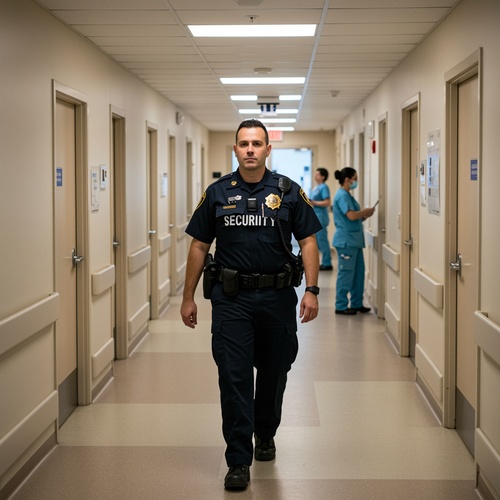 The Evolving Landscape of Healthcare and the Imperative for Staff Safety
In the rapidly changing realm of healthcare, healthcare staff safety is an issue that has shifted prominently to the forefront, especially when it concerns workplace violence prevention. COVID-19's demands and the ongoing strains on the healthcare system have illuminated the every-day risks healthcare professionals face. Doctors, nurses, and support staff are often caught in the crossfire of high-stress environments exacerbated by emotional and financial strains. With the spotlight firmly on the need for robust safety measures, it's paramount for healthcare facilities to adopt proactive strategies that safeguard their staff—the true unsung heroes in this critical sector.
Understanding the unique vulnerabilities within healthcare requires a holistic approach. Unlike typical workplace environments, healthcare settings can ebb and flow with tensions that may trigger uncontrolled reactions. For example, families grappling with distressing news or patients experiencing pain-related anxiety may lash out, leading to potential violence. The key to workplace violence prevention lies in acknowledging these dynamics and employing targeted strategies to mitigate risks. By fostering an environment conducive to dialogue and safety, healthcare administrators can create a buffer against potential threats, not only enhancing the well-being of staff but also ensuring they can continue delivering high-quality care.
It is essential to realize that enhancing healthcare staff safety is more than just a compliance issue; it's about cultivating a culture that prioritizes the health and safety of its workforce. The Hemingway Group LLC stands prepared to assist healthcare organizations in this mission. Our emphasis on innovative approaches for assessing vulnerabilities and implementing preventive measures is matched by our commitment to legislative advocacy, driving change at the regulatory level that supports essential workplace violence prevention initiatives. By leveraging expertise in emergency response planning, we aim to transform healthcare facilities into safer environments, ultimately allowing healthcare workers to focus on their goal: providing care to those in need.
Innovative Risk Assessment Methodologies in Healthcare Settings
Comprehensive safety plans must begin with accurate risk assessments, serving as a foundational element for protecting healthcare staff. By utilizing meticulous evaluation techniques, healthcare facilities can identify potential threats and vulnerabilities that may permeate their workflows. For example, specific departments or areas within a facility may experience higher incidences of agitated patients or volatile family interactions, necessitating a tailored response from administrators. The integration of advanced risk assessment methodologies empowers organizations to develop actionable safety protocols grounded in data rather than knee-jerk reactions, facilitating long-term preventative measures.
The Hemingway Group employs sophisticated risk assessment strategies that go beyond surface evaluations. Our approach involves collaborative exercises that engage all levels of administration and frontline staff, providing a well-rounded perspective on potential issues. Workshops and assessments not only uncover blind spots in existing safety measures; they also foster grassroots communication avenues for staff to voice their concerns. This collaborative effort is crucial in developing effective safety initiatives that genuinely reflect the realities of the working environment.
In addition to identification, effective response planning is paramount. Once risks are assessed, implementing a robust plan for pre-emptive action and incident response becomes vital. The integration of specific policies tailored to high-risk scenarios, from training interventions to emergency drills, equips healthcare staff with the skills needed to handle potentially dangerous situations calmly and effectively. By not only preparing for incidents but actively working to avert them, healthcare institutions can ensure a more secure workplace while allowing employees to thrive in their roles.
Staying Compliant with Legislative Developments
The landscape surrounding healthcare staff safety is evolving, driven significantly by legislative initiatives aimed at bolstering protections for vulnerable workers. One notable piece of legislation is the Workplace Violence Prevention for Health Care and Social Service Workers Act, which aims to enforce comprehensive workplace safety measures across the industry. Understanding these legal frameworks allows healthcare administrators to align their safety strategies with compliant protocols, ensuring they not only meet but exceed the established standards aimed at safeguarding their staff.
Compliance with such legislation transcends mere legal obligation; it also aligns with the ethical responsibility healthcare facilities have towards their employees. For instance, institutions should ensure that safety measures, such as reporting mechanisms for violence and effective emergency response planning, are firmly in place. Continually monitoring compliance with evolving laws allows organizations to proactively adapt, ensuring that staff remain protected and that facilities are equipped to handle threats as they may arise.
The Hemingway Group emphasizes a strong commitment to legislative advocacy, actively engaging in discussions surrounding workplace violence prevention measures. Through our collaboration with healthcare organizations, we aim to not only educate but also to guide institutions toward best practices that align with new regulations. By doing so, we help create a workplace culture that prioritizes healthcare staff safety, allowing healthcare professionals to focus on their primary mission: delivering exceptional care to patients.
Training Programs: Equipping Staff with Life-Saving Skills
Successful implementation of workplace violence prevention strategies hinges significantly on the availability and quality of training programs. Conflict de-escalation and emergency response planning training are imperative components of a comprehensive safety plan, equipping healthcare staff with the tools they need to diffuse potentially violent situations before they escalate. With training from organizations like The Hemingway Group, healthcare workers can develop skills in recognizing warning signs, effective communication, and conflict resolution, thus creating a safer environment both for themselves and their patients.
Through certified training programs, staff learn how to assess situations critically, utilizing their instincts and knowledge to navigate emerging risks. Simulating real-world scenarios during training sessions enhances preparedness and builds team cohesion, fostering an environment where individuals feel confident in their abilities to handle adversity. This focus on practical application ensures that training translates into enhanced situational awareness in everyday encounters, significantly lowering the probability of violence within healthcare facilities.
Additionally, ongoing training and refresher courses are essential as staff turnover occurs and as new challenges arise within the healthcare sector. Establishing a culture that recognizes the importance of continuous learning helps healthcare professionals remain vigilant and prepared. Training initiatives that include feedback loops enable staff to share experiences and situational analyses, thus adapting teachings to real-time fluctuations in the healthcare environment. This commitment to continuous improvement underscores a proactive stance on safety, ensuring that all team members are aligned in their mission to create a secure and supportive workplace.
Cultivating a Culture of Support and Open Communication
Fostering a culture of support that encourages open communication is crucial for addressing workplace violence in healthcare environments. An environment where healthcare staff feel comfortable voicing concerns about safety can lead to significant insights that enhance overall safety protocols. When healthcare administrators actively solicit feedback and input from employees at all levels, they create pathways for identifying risks and improving programs designed to mitigate them.
Encouraging practitioners to report near-misses, incidents, or observed vulnerabilities helps gather valuable data that can shape more effective safety strategies. Additionally, creating safety committees composed of staff members across hierarchies can empower all voices to contribute to safety discussions. By involving a diverse range of perspectives, healthcare facilities can better tailor their initiatives to meet staff needs, ultimately enhancing the safety network within the organization.
Moreover, establishing support networks, such as peer counseling or stress management programs, serves to reinforce the importance of mental health in conjunction with physical safety. The psychological ramifications of workplace violence can extend far beyond individual incidents, affecting team morale and cohesion. By addressing this critical aspect, healthcare organizations can cultivate a holistic understanding of safety that encompasses the emotional well-being of their staff. Through intentional communication and ongoing support, facilities can create an environment where healthcare professionals feel valued, empowered, and protected.
Embracing Technology for Enhanced Security
As we delve further into the future of healthcare, the role of technology in safeguarding staff cannot be overlooked. Healthcare settings can leverage innovative security solutions such as panic buttons, surveillance systems, and communication apps to create a safer operational environment. By integrating these technologies into daily routines, healthcare institutions can become agile in responding to incidents and bolstering workplace violence prevention efforts.
Panic buttons, for example, can serve as a direct line to security personnel during emergencies, allowing staff to rapidly alert authorities when encountering threats. Likewise, well-placed surveillance systems not only act as deterrents but also serve critical functions in providing evidence should incidents occur, thereby facilitating thorough investigations. Enhanced communication apps can further streamline processes, enabling staff to quickly disseminate warnings or seek assistance, fostering a culture of prompt response that is vital in times of crisis.
Moreover, technology can also assist in the training and education of staff, providing access to virtual simulations and workshops that enhance skills in real-time. By actively engaging employees with cutting-edge tools, healthcare facilities can ensure that their workforce is both knowledgeable and equipped to handle potential threats effectively. These shared resources not only boost staff confidence but reinforce the commitment to workplace violence prevention, driving home the importance of ongoing vigilance in ever-evolving healthcare environments.
A Multifaceted Approach Toward Healthcare Worker Safety
The challenges that healthcare workers face today are vast and multifaceted, emphasizing the necessity for a comprehensive approach to healthcare staff safety. These strategies encompass the implementation of risk assessments, compliance with dynamic legislation, specialized training programs, fostering supportive cultures, and harnessing technological advancements. All of these components work in tandem to create an environment where healthcare professionals can perform their essential duties without the looming shadow of workplace violence.
By embracing these innovative strategies, healthcare administrators can create a safety framework that not only protects staff but empowers them. Investing in robust safety initiatives ultimately contributes to improved patient care, as safe and supported healthcare professionals are better equipped to focus on delivering exceptional service. Moreover, these efforts do not go unnoticed; they foster higher retention rates and enhance team morale, further reinforcing the connection between employee safety and overall organizational efficacy.
The importance of prioritizing healthcare staff safety cannot be overstated. As we reflect on the ongoing struggles and triumphs of healthcare professionals, it is clear that a collective commitment to protective measures is essential for maintaining a secure and resilient healthcare environment. The Hemingway Group LLC stands ready to partner with healthcare organizations in this mission, advocating for and implementing sustainable strategies that safeguard our healthcare heroes, ensuring their ability to continue their indispensable work for those in need.
To learn more about how The Hemingway Group LLC can assist in bolstering healthcare staff safety and preventing workplace violence, contact us today. Together, we can build a safer, more resilient healthcare environment for everyone involved.
At The Hemingway Group LLC, we are dedicated to providing top-tier security solutions, including event security, risk assessments, and workplace violence prevention. If you need more information or professional security services, please reach out to us. Call us at 781-222-5126 or email us at info@thehemingwaygroupllc.com. Your safety and security are our priority.